Our policy priorities
Campaigning for the things that matter most if we're to keep independent heritage safe for the benefit of future generations
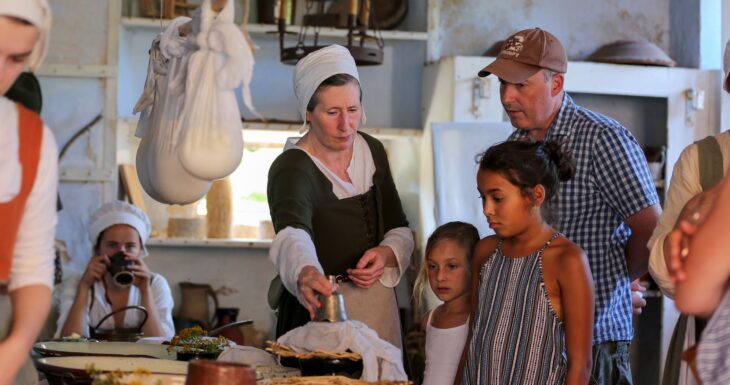
Historic houses are hubs for culture in the countryside and vibrant small businesses, providing important employment opportunities and leisure experiences in rural communities in all corners of our four nations.
They are at the heart of the UK’s world-leading tourism industry – attracting millions of visitors, generating thousands of jobs, supporting communities across the country and driving the rural economy.
Based in Westminster, our small UK policy team works closely with government, stakeholders and politicians across the political spectrum to shape and influence policy for the benefit of heritage and tourism. Historic Houses Scotland works in close partnership with Scottish Land & Estates and other stakeholders on Scottish policy work, and in Wales our part-time Policy Adviser engages with Welsh government, politicians and stakeholders on behalf of Historic Houses in Wales.
We are passionate about the extraordinary historic houses we represent, and are committed to advocating for a fiscal and regulatory framework in which they are able to thrive for the benefit of the nation.
We ensure our houses are robustly represented in policymaking in areas such as taxation, de-regulation, planning and tourism through:
- Direct discussion with ministers and civil servants
- Regular meetings with cross-party MPs and their equivalents in Scotland, Wales and Northern Ireland
- Producing robust evidence and case studies to aid policy-making
- Responding to a wide-range of consultations and calls for evidence
- Generating and supporting new research partnerships
- Working closely with colleagues across the heritage and tourism sectors, and contributing to a broad range of collaborative projects.
Contact
If you’re a house member wanting specific advice and guidance, log in to access our online bank of policy statements and submissions.
Our priorities for 2026
We make the case to the government for supportive measures to enable independent heritage to survive and thrive, but to do this, it is vital that we can demonstrate the many benefits historic house businesses bring to their local communities and economies when they are allowed to flourish.
In 2026, we will continue to focus on making the case for heritage as an economic driver, as well as a vital part of the UK’s cultural life and soft power. Both of these strands of work are underpinned by explaining the particular benefits independent heritage brings to the UK’s broader arts, culture and heritage sectors, as well as their impact on regional and national economies.
In terms of policy, we have a variety of policy issues we’re campaigning on. We are advocating for exemptions for listed buildings open to the public from the new High Value Council Tax Surcharge, and continuing to lobby for the restoration of full APR and BPR for heritage businesses.
We’re also continuing to push for planning reform, to ensure the system works better for owners of heritage assets and can support them effectively in having viable uses in the modern world – whether that be through adopting energy efficiency measures or bringing vacant heritage buildings back into use. Alongside this, we continue to advocate for VAT reform.
Our newest campaign focuses on heritage careers and skills – highlighting the number of jobs our member places support, and their impact across the UK’s rural economy. We look forward to launching a new report on this in Spring 2026.
The facts and figures from our members
Understanding the impact of independent historic houses
Quantifying our members' economic, social and cultural impact in their local communities and across the UK
Download our latest key stats infographic to see what our member places contribute.
Making the case for planning reform
so heritage can help the UK meet its net zero obligations
Download our latest planning infographic to see the key findings from the Historic Houses member surveys.
New problems need new solutions
Ben Cowell, OBE, Director General of Historic Houses, explains why our approach to heritage protection needs to change.
Information for House Members