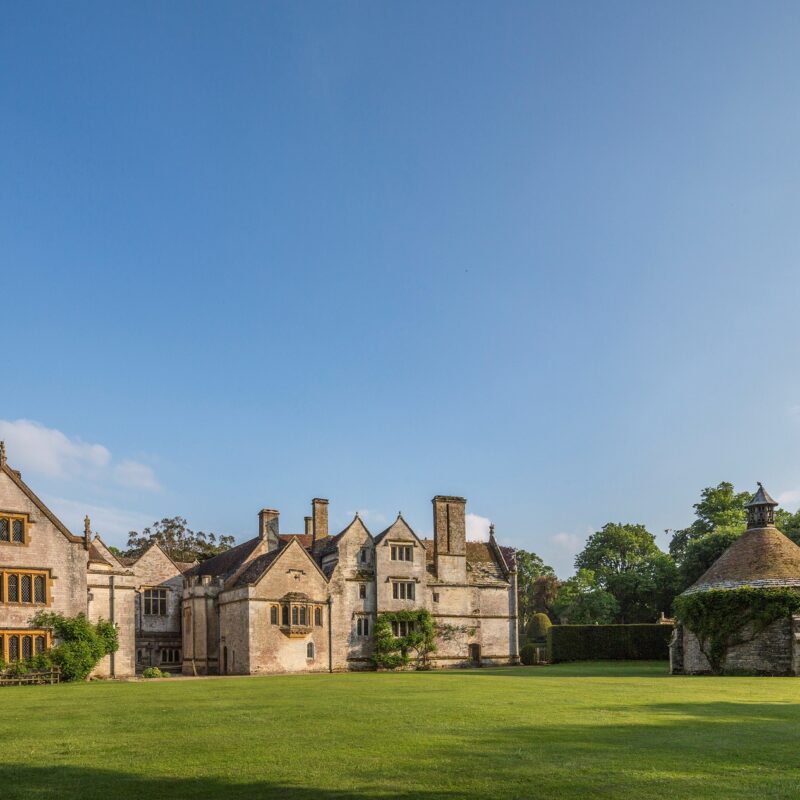
Athelhampton House & Gardens
One of England’s Finest Tudor Manor Houses in Dorset
Dorchester, Dorset, DT2 7LG
- Accessible parking
- Guide dogs welcome
- Wheelchair ramps/routes
- Accessible toilets
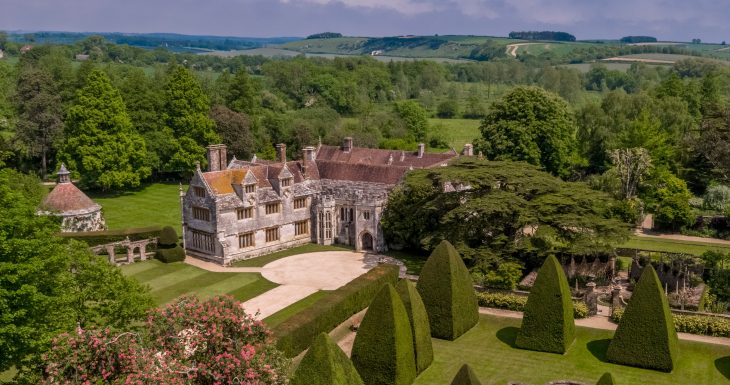
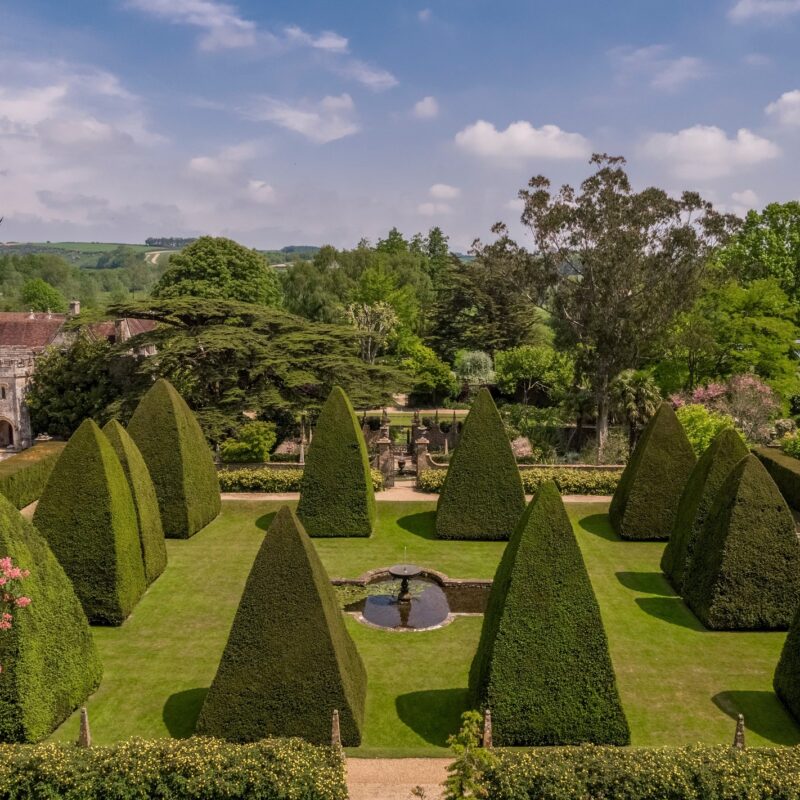
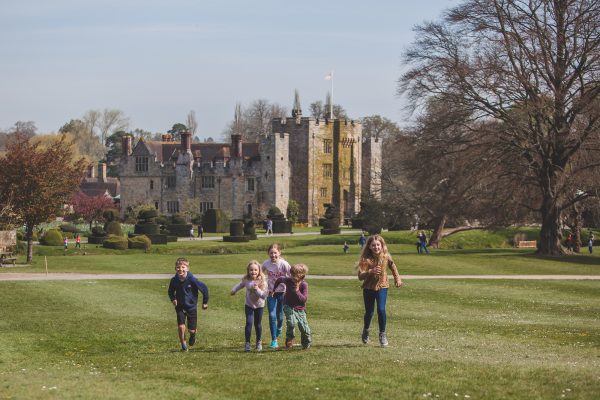
Set in the Dorset countryside near Dorchester, Athelhampton House is one of England’s finest and most complete Tudor manor houses, surrounded by award winning formal gardens. Built in 1485, at the very beginning of the Tudor period, it offers a rare survival of late medieval architecture that has remained remarkably intact for over five centuries.
Unlike many historic houses that were substantially altered in later centuries, Athelhampton retains the character and atmosphere of the Tudor age. Its Great Hall, constructed at the moment of transition between medieval and early modern England, still forms the heart of the house, providing a direct link to the world of the Tudor gentry. Around it, the gardens create a carefully composed setting of structure, symmetry, and seasonal planting.
Origins and the Martyn Family
Athelhampton was built by Sir William Martyn in 1485, the year that Henry VII came to the throne. The house he created was both a residence and a statement of status, reflecting the stability and ambition of a family establishing itself in a new political era.
For generations, the Martyn family occupied Athelhampton, shaping its development while maintaining its essential Tudor form. The house functioned as the centre of a working estate, where land management, household organisation, and social obligations were closely intertwined.
The Great Hall served as the principal space for daily life, where meals were taken, guests received, and business conducted. Around it were arranged the service rooms, kitchens, and private chambers that supported the hierarchy of a Tudor household, from family to servants.
Athelhampton in the Tudor Age
The Tudor period was one of profound political and religious change, and Athelhampton’s history reflects these wider currents. During the reign of Henry VIII, the English Reformation reshaped the religious landscape, placing families such as the Martyns in a position where questions of faith and loyalty became matters of consequence.
As England moved through the reigns of Edward VI, Mary I, and Elizabeth I, the pressures on landowning families continued to evolve.
The ability to adapt, while maintaining continuity, was essential.
Athelhampton’s survival through this period suggests a household that successfully navigated these challenges, preserving both its estate and its identity in a time of uncertainty.
Architecture and Survival
One of the most remarkable aspects of Athelhampton is the degree to which its Tudor fabric has endured. While later generations made additions and alterations, the core of the house remains true to its original design.
The Great Hall, with its hammerbeam roof, stands as a defining feature, embodying both the craftsmanship and social structure of the late fifteenth century. Elsewhere, architectural details such as stone fireplaces, timber panelling, and original layouts provide insight into the practical and symbolic functions of the house.
This continuity allows Athelhampton to be understood not as a reconstruction or interpretation, but as a genuine survival, shaped by time yet firmly rooted in its Tudor origins.
- Accessible parking
- Guide dogs welcome
- Wheelchair ramps/routes
- Accessible toilets
Mention in the Domesday Book
Before 1066 Aethelric held the manor.
The Domesday Book of 1086 records that the manor, then called Pidele, was held by the Bishop of Salisbury with Odbold as a tenant.
Tudor influence
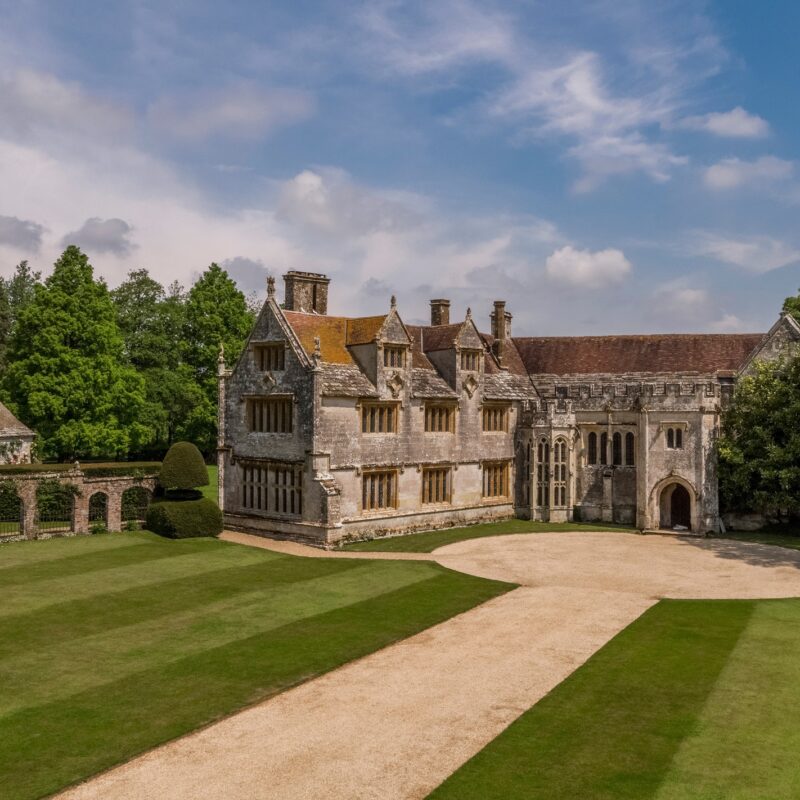
About the year 1485 Sir William Martyn, a land owner and collector of wine duty at Poole, built Athelhampton Hall, he received a licence to enclose 160 acres of deer park and fortify his manor with walls of stone and lime and to build towers and crenellate them.
Enter, Thomas Hardy
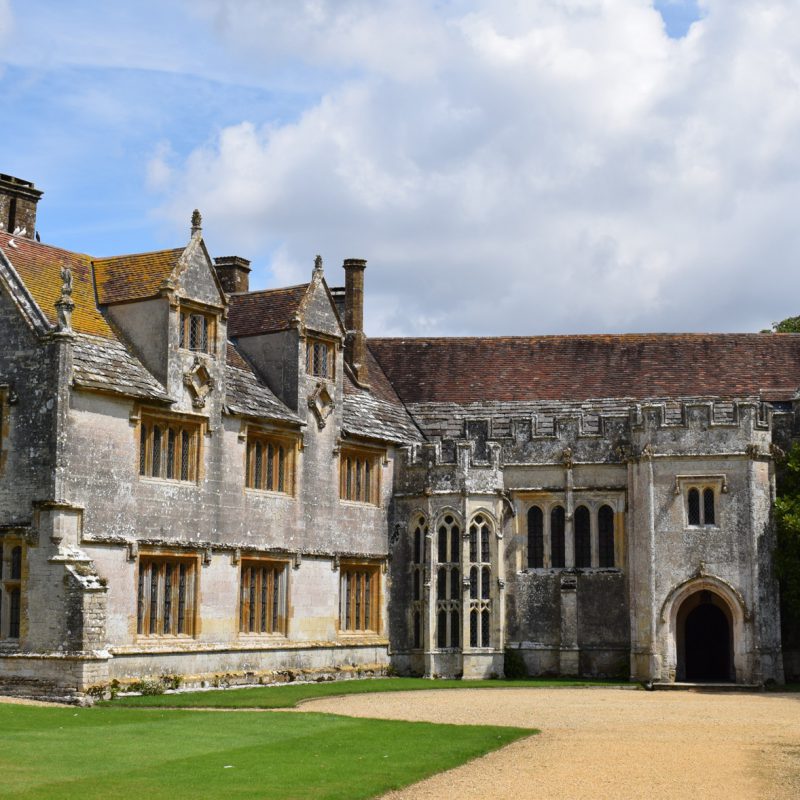
In 1862 George Wood builds a new Church at Athelhampton, with Hicks of Dorchester as Architect who employed Thomas Hardy. George Wood dies in 1866, his nephew George Wood Homer manages the estate and inherits a few years later.
The 20th century
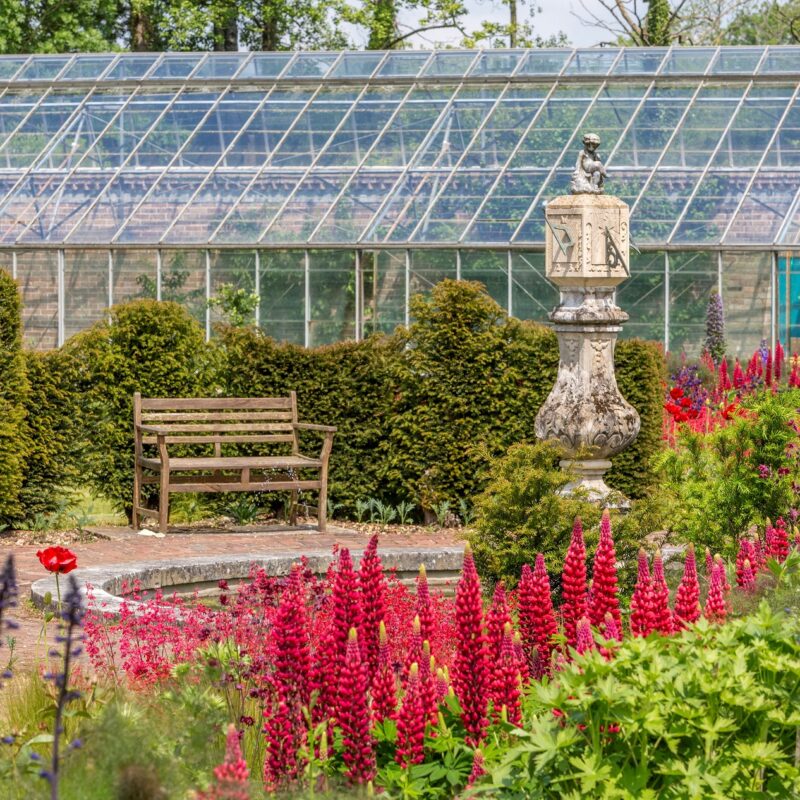
In 1992, Patrick Cooke, the third generation of his family to live here, inherits Athelhampton. Much restoration is due to his tireless efforts, including the kitchen garden and the main staircase.
The house today
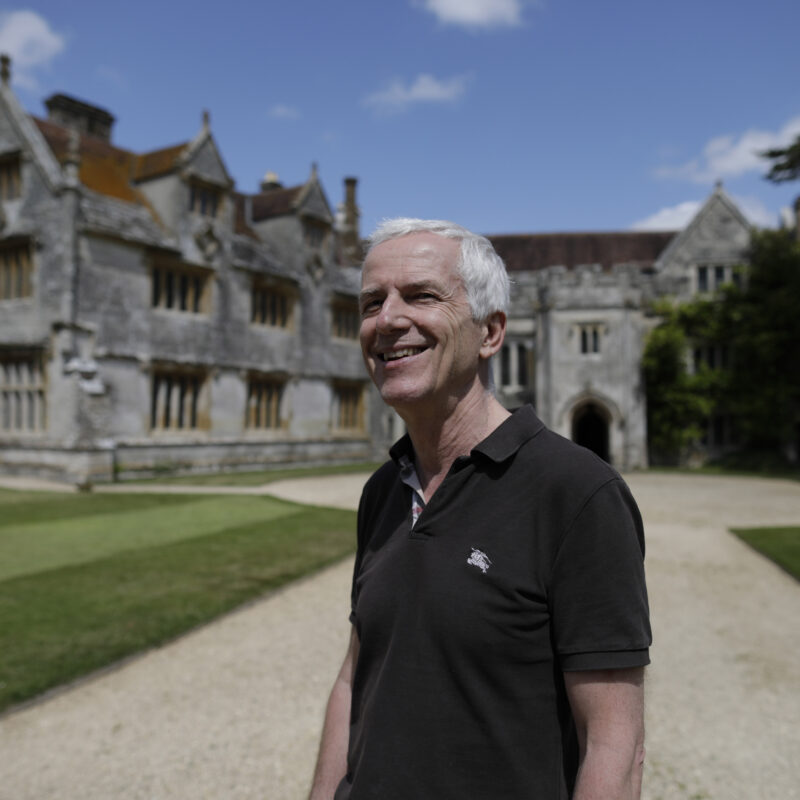
In 2019, Giles Keating purchased Athelhampton. His is the tenth family to own Athelhampton since Tudor times, adding a new story to its rich history. New rooms, including the Elizabethan Kitchen, have opened, and an innovative project has made Athelhampton’s energy use carbon neutral.
Related links
Athelhampton House & Gardens
Dorchester, Dorset, DT2 7LG
Become a Historic Houses member
Explore the nation’s heritage for just £71 per year.
Hundreds of the most beautiful historic houses, castles, and gardens across Britain offer our members free entry.
Also: receive a quarterly magazine, enjoy monthly online lectures, get exclusive invitations to buy tickets for behind-the-scenes tours, and take up a range of special offers on holidays, books, and other products you might like.