Spencer House
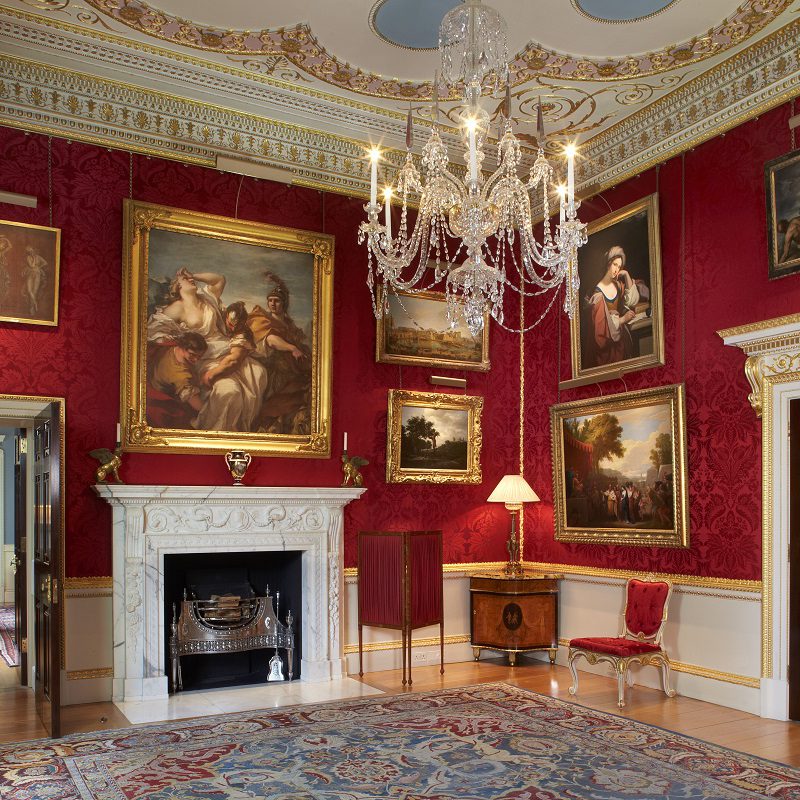
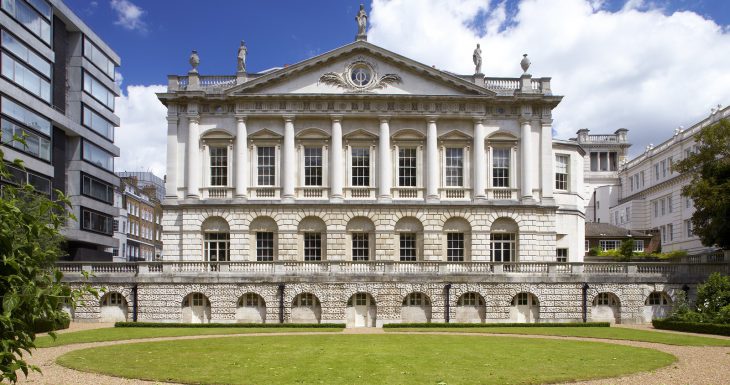
One of the most sumptuous private residences built in London and a building of unique importance in the history of English architecture.
27 St James's Place, London, SW1A 1NR
- Wheelchair ramps/routes
- Guide dogs welcome
- Accessible toilets
Please note that photography and filming are only permitted for personal, non-commercial use using hand-held devices only.
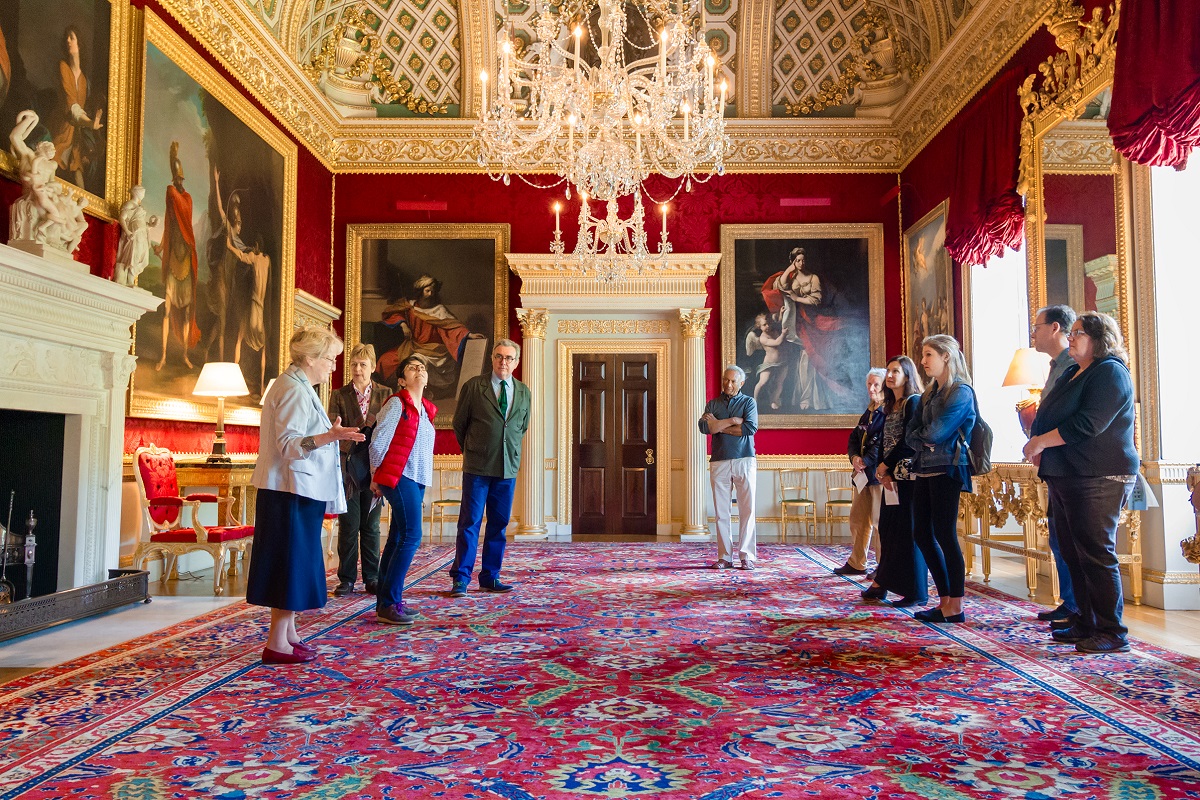
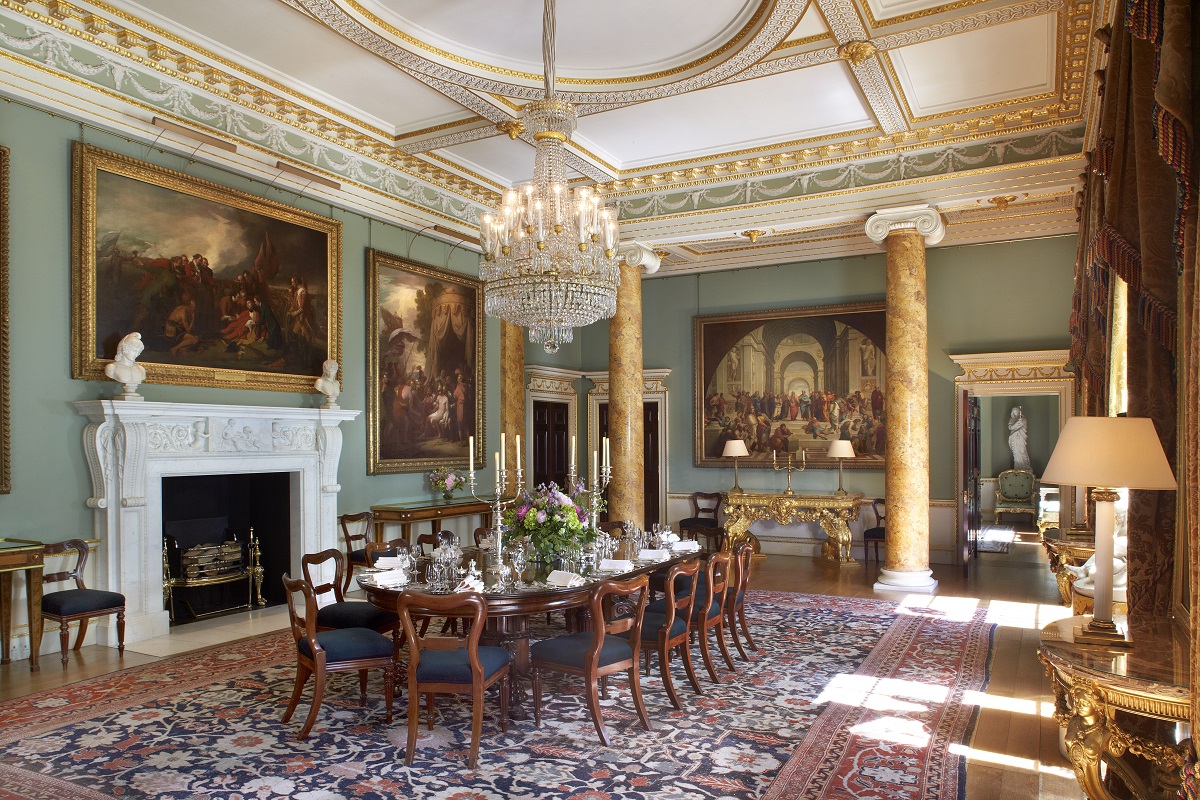
Spencer House was built 1756-66 for John, later 1st Earl, Spencer and his new wife Georgiana. They had married in 1755 when he was 21 and she was 18 and their relationship was rare for its time in being a genuine love match. Their new house provided the Spencers not only with a family home in the city, but a suitably grand venue for lavish entertaining and the display of their growing art collection.
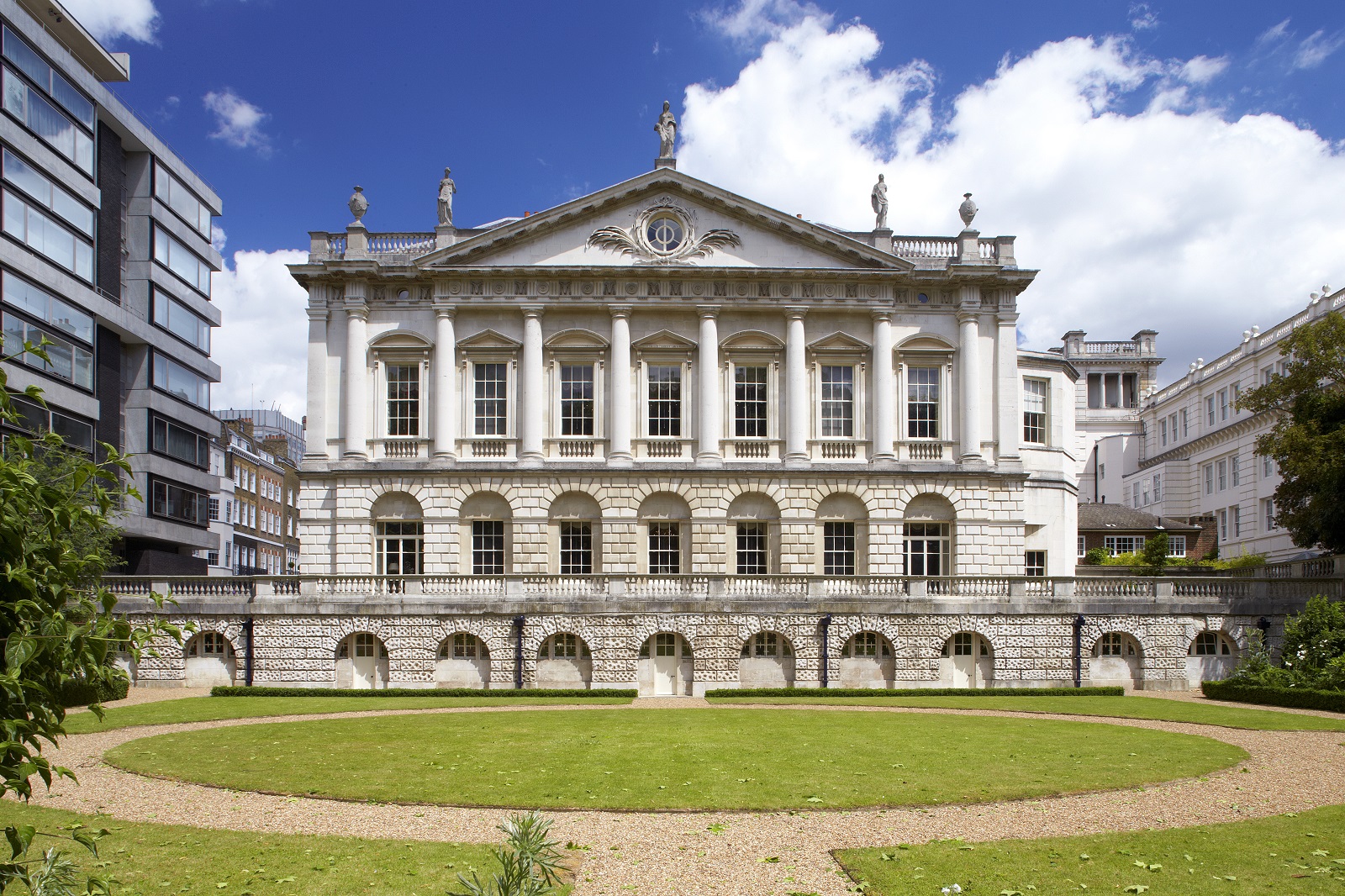
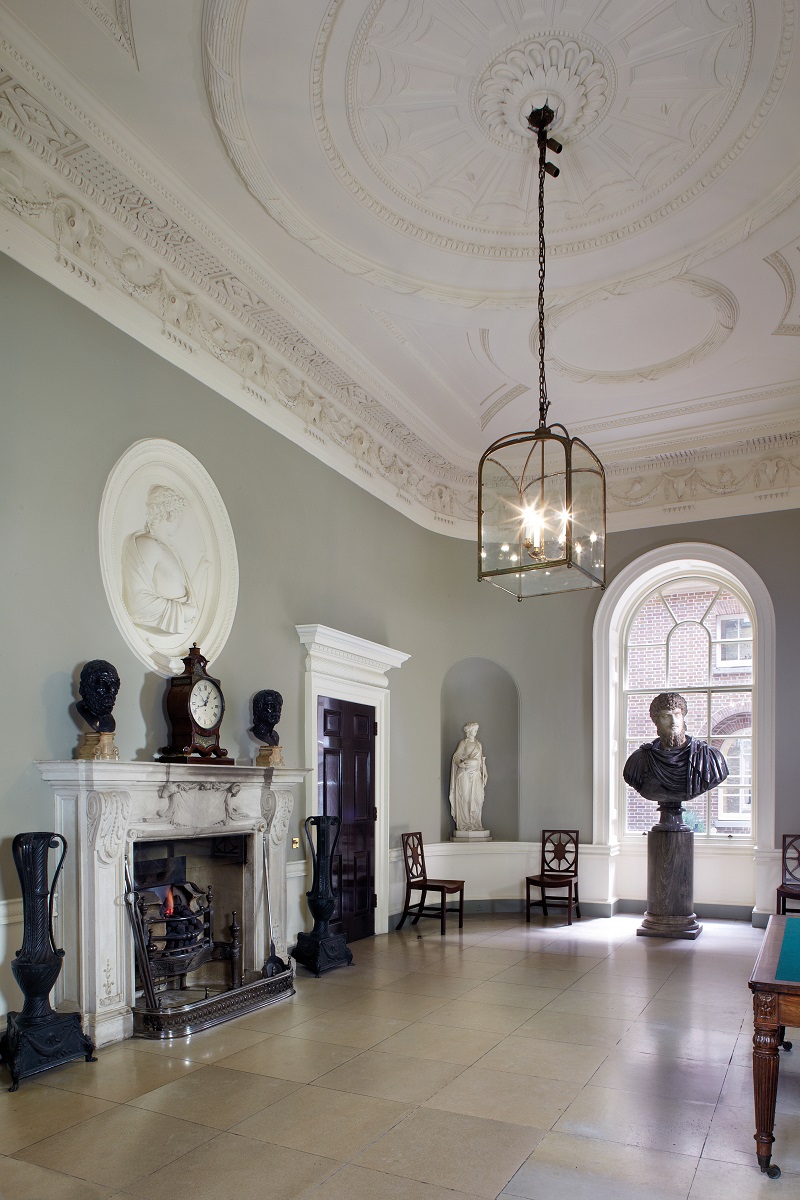
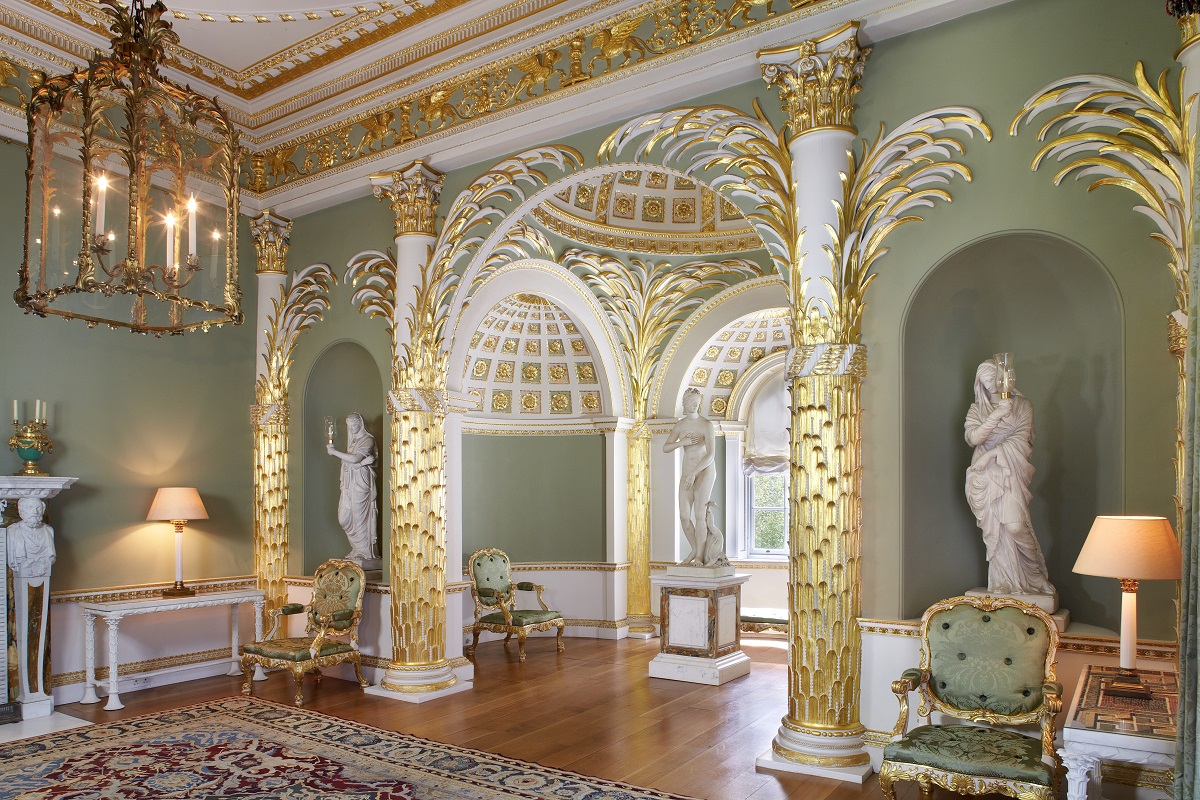
To design the house, the Spencers chose John Vardy, who had previously worked under William Kent and was still heavily influenced by the Palladian style of the earlier 18th century. Vardy completed the exterior and the ground floor interiors before being replaced in 1758 by James ‘Athenian’ Stuart. Stuart had recently returned from Greece where he had recorded the ancient monuments and he introduced many Greek-inspired details into the first-floor rooms of Spencer House which became early experiments in the new Neoclassical style.
The house was altered several times over the succeeding generations, most significantly by the 2nd Earl Spencer who added the garden in the 1790s. By the end of the 19th century, the Spencers’ income was impacted by the Great Agricultural Depression and they periodically leased the house to a succession of wealthy tenants. The last Spencer to live here was the 7th Earl who moved out in 1926.
The house then entered a period of decline with a series of commercial tenants beginning with the Ladies’ Army and Navy Club in 1927 and ending with the departure of the Economist Intelligence Unit in the early 1980s. In between, the house underwent many unsympathetic alterations, while during the Blitz the Spencers removed many original features from the State Rooms, including the marble chimneypieces, and took them to their country estate of Althorp in Northamptonshire for safekeeping, where they remain to this day.
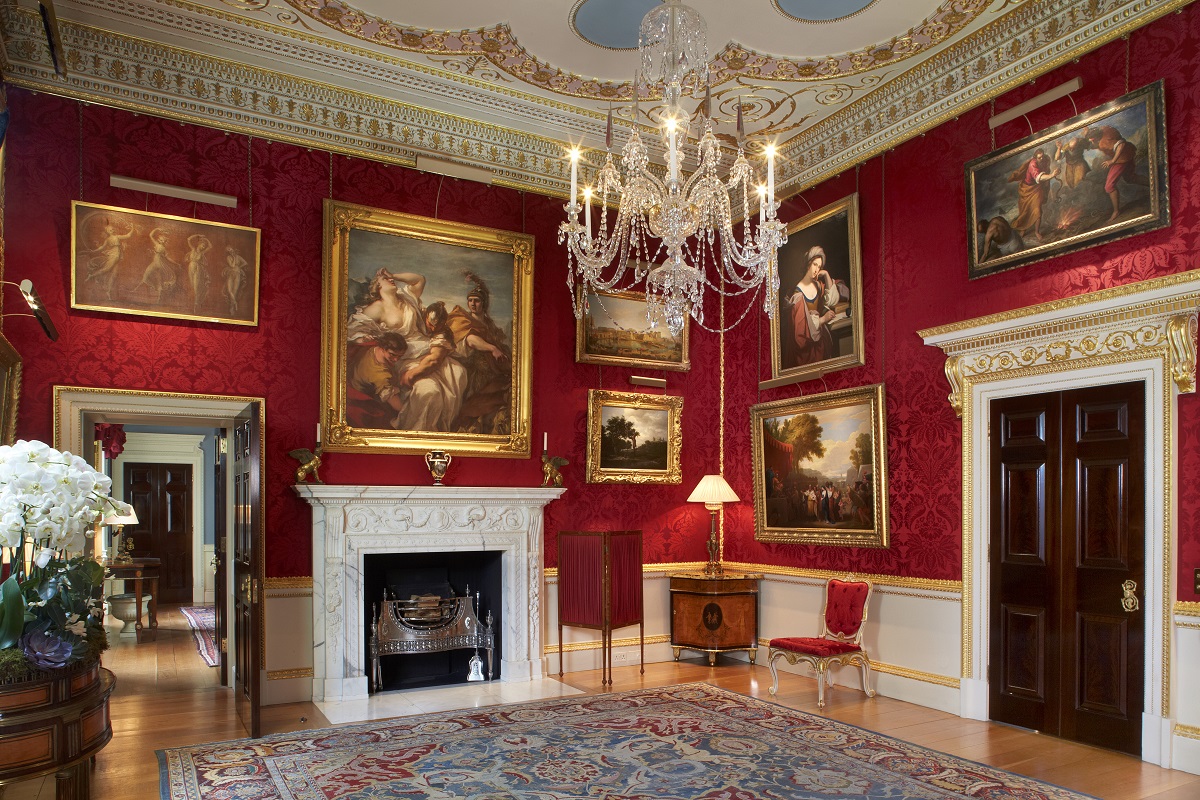
Spencer House’s fortunes turned around in 1985 when the lease was purchased by RIT Capital Partners plc, under the chairmanship of Jacob, 4th Lord Rothschild (1936-2024). A major project was set in motion to restore Spencer House to its former glory, involving an expert team of historians, curators, designers, and craftspeople. The missing chimneypieces and other decorative details were painstakingly copied from the originals at Althorp and replicas were commissioned of some of the original furniture designed by John Vardy and James Stuart.
Meanwhile, a group of experts set about buying a collection of 18th-century furniture with which to decorate the State Rooms, along with paintings and other objects that would reflect the tastes of the 1st Lord and Lady Spencer. Their purchases were supplemented by important loans from various museums and private lenders, including several pieces original to the house.
Spencer House was officially reopened in November 1990 by Diana, Princess of Wales, a direct descendant of the 1st Lord and Lady Spencer.
- Wheelchair ramps/routes
- Guide dogs welcome
- Accessible toilets
Please note that photography and filming are only permitted for personal, non-commercial use using hand-held devices only.
Restoring Spencer House
Under the direction of its current occupants and leaseholders, RIT Capital Partners plc, Spencer House has been the object of one of the most ambitious restoration projects to be undertaken in the 20th century.
The House has been restored to its original splendour and is used partly as offices and as a place where the public may visit for guided tours on Sundays throughout the year (excluding August) and where events can be held in the historic setting of the State Rooms.