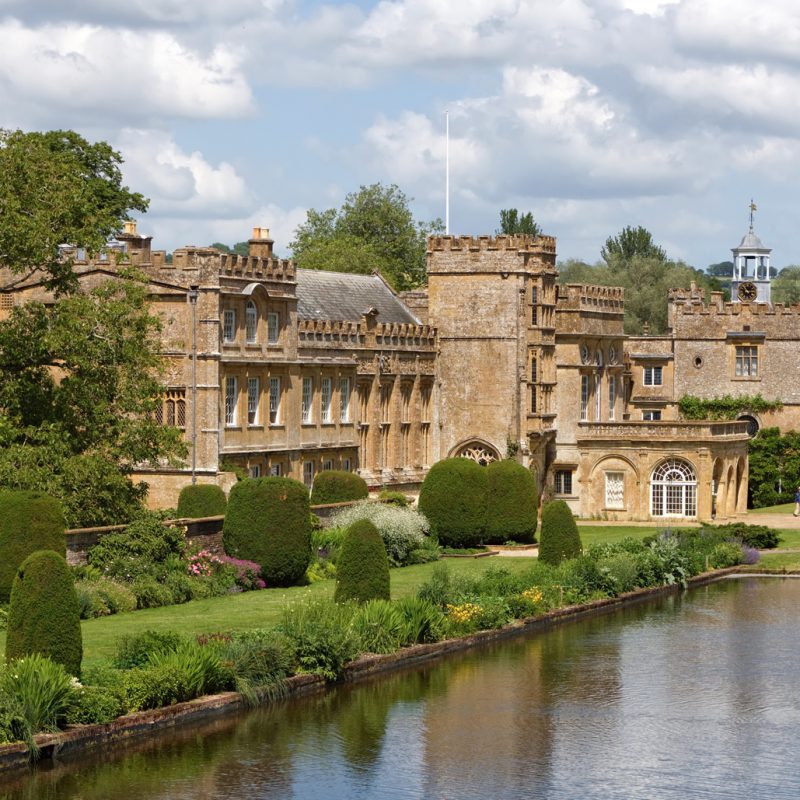
Hidden gem at Blenheim Palace given new lease of life as part of ongoing gardens restoration
A hidden gem is being given a new lease of life in the Formal Gardens at Blenheim Palace – after many years being just that – hidden.
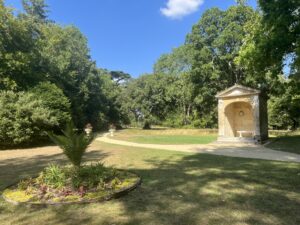
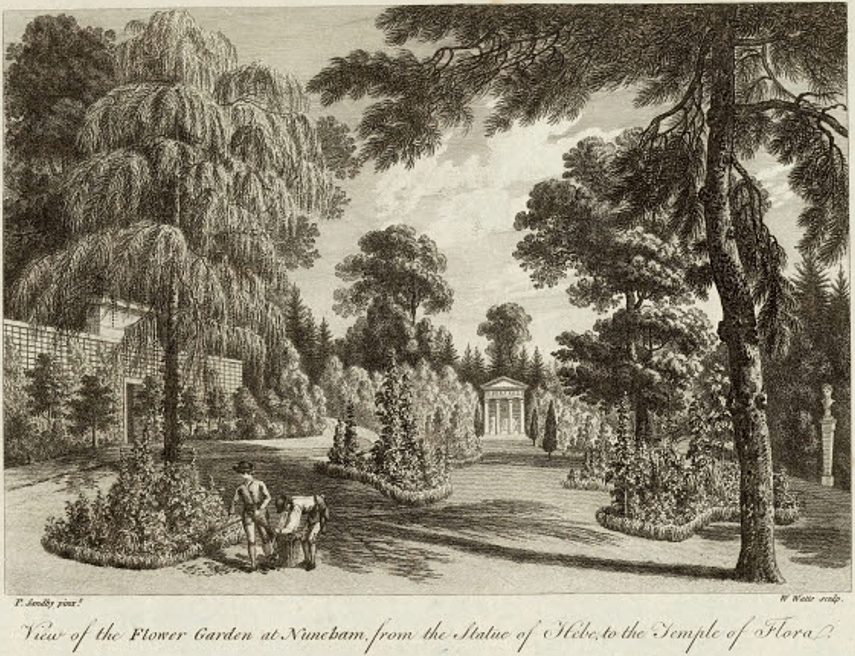
The Grade II listed Temple of Flora – built in the late 18th century from limestone with a Welsh slate roof – is being returned to its former glory as part of Head Gardener Andy Mills’ ongoing restoration of the stunning Formal Gardens at Britain’s Greatest Palace.
Engulfed in shrubs, and surrounded by an imposing wrought iron fence, the Temple of Flora was even unknown to some of Blenheim Palace’s long-serving staff – including one of the gardening team who has worked there for 15 years and had never previously seen it.
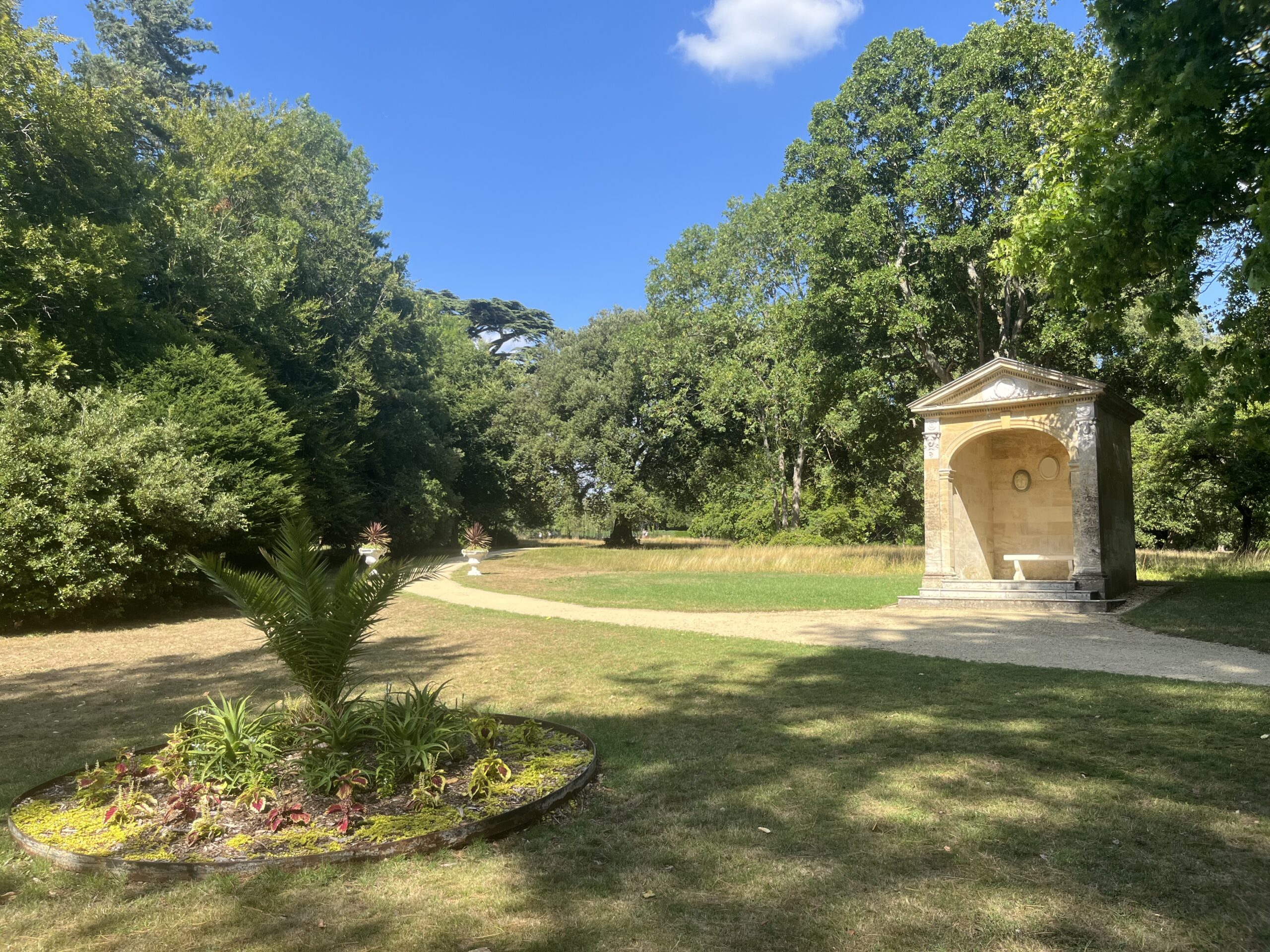
With the shrubbery and fencing removed, a French drain (a trench filled with gravel) installed, and the temple now more accessible to visitors, Andy now plans to make it the focal point of another ‘garden room’ at Blenheim Palace – just as it was over 250 years ago.
According to Palace records, The Temple of Flora – the Roman goddess of flowers, Spring, and fertility – was likely designed by Sir William Chambers, with the structure possibly erected in the western gardens around 1772. Its current home near the grotto by the lake, however, is not its original location – although Andy has yet to work out from the Blenheim archives where the temple was originally situated.
“The idea is to take it back to how it used to look,” said Andy. “The view from the seat was obscured by a large overgrown boiling mass of holly and brambles – you couldn’t see the lake at all from the bench.
“We’ve cut down a tree and a load of shrubs to restore the view, and The Temple itself has once again become part of the Garden route; we have restored the original path that ran out from The Rosarium towards the Cascade, stopping off at the Temple to take in the re-opened view.
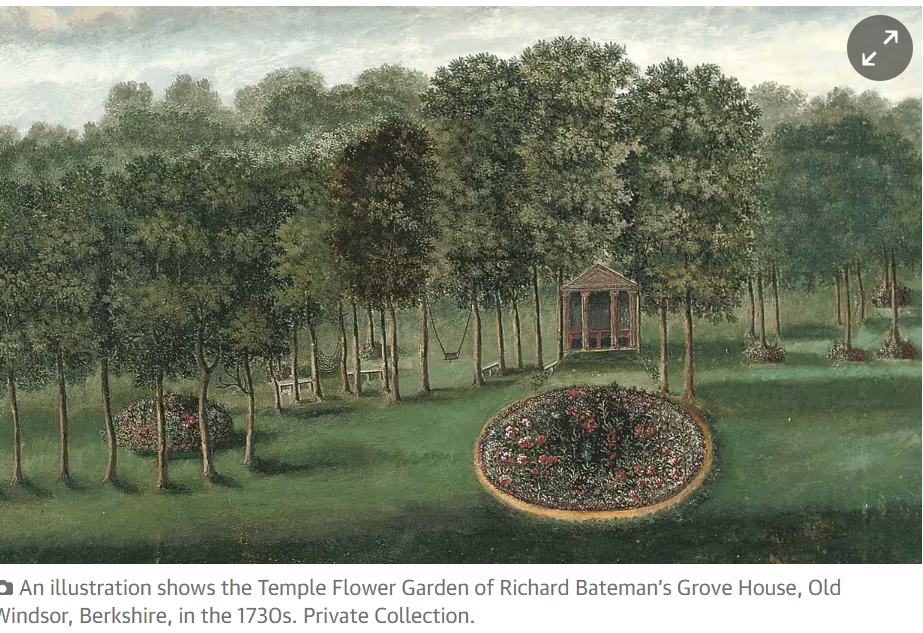
“Once this is done, we will then recreate the Temple Flower Garden. In High Victorian times (late 1800s) it was a charming enclosure, and you would have had lovely exotic plants in there – sweet-smelling trees, shrubs and tender perennials. As it’s dedicated to the goddess Flora, it makes sense to have an abundance of flora down there.”
He added: “It’s very much an evolution – I couldn’t give a definitive plant list of how it will look, but with climate change it gives us an opportunity to do something really unusual and different for Blenheim.”
To book tickets to see the Formal Gardens at Blenheim Palace, visit www.blenheimpalace.com/visitus/what-to-do/formal-garden
Become a Historic Houses member
Explore the nation’s heritage from just £71 per year.
Hundreds of the most beautiful historic houses, castles, and gardens across Britain offer our members free entry.
Also: receive a quarterly magazine, enjoy monthly online lectures, get exclusive invitations to buy tickets for behind-the-scenes tours, and take up a range of special offers on holidays, books, and other products you might like.