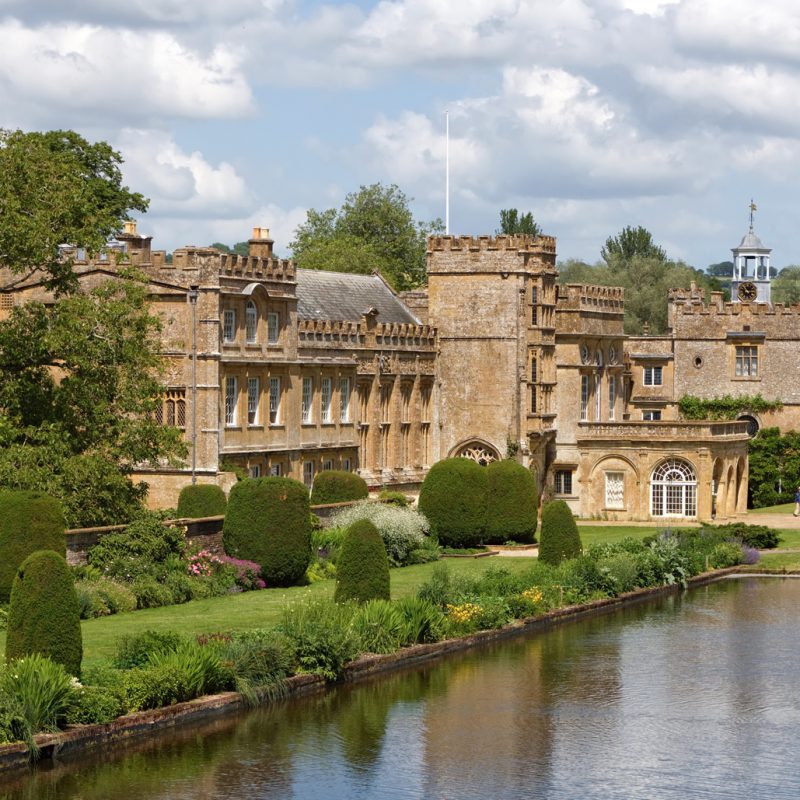
Ending Centuries of Silence: Shakespeare, Erkenwald, and the Enigmas of a New Parliamentary Record for Soulton Hall
A sequence of dramatic developments formally reported into the record of the House of Commons has culminated in a landmark recognition for Soulton Hall, one of England’s most enigmatic estates.
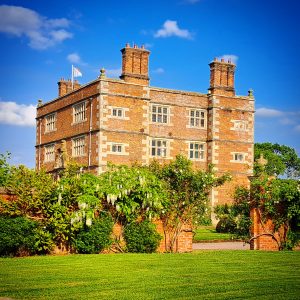
These breakthroughs connect the survival of the 7th-century legacy of the Saxon Saint Erkenwald “the Lawgiver” with a history of resistance against cultural violence. They point toward the preservation of memories—and perhaps more—that were nearly lost in the tumult of the sixteenth century, alongside insights from the world of William Shakespeare and Renaissance cryptography, all encoded within the fabric of a single building.
This multi-layered heritage has been brought to light through the sustained work of Byrga Geniht, the estate’s retained heritage experts and consultants, whose research has guided the transition of these findings into the national record. The narrative emerging from Soulton Hall occupies a space between documented national record, public and private memory, and what is increasingly recognized as a likely truth.
While claims on historical truth—particularly for a certain sort of mind—often require the absolute confirmation of a paper trail and evidence that can be verified through other epistemological streams, that record is now increasingly being filled in. Yet, the likely truth of Soulton is also found in the alignment of architectural evidence, oral tradition, and the sudden coherence of previously disparate events.
This formal integration has been solidified by a robust sequence of parliamentary actions, including n Early Day Motion, which recognized the estate as a site of national sanctuary. This has been accompanied by a consistent string of ministerial answers from the Department for Culture, Media and Sport, placing the significance of the estate on the permanent record.
The survival of this history was not accidental; it was the result of a long tradition of “intentional forgetfulness” by the family currently surnamed Ashton. Much like a heavy snowfall that softens the sharp edges of a building—revealing the mass and presence of the structure while concealing its specific details—the incumbents maintained a protective silence over the centuries. This deliberate lack of clarity allowed the most sensitive associations of the estate to survive intact, sheltered from cultural and political volatilities. However, this approach also obscured the full picture for those tasked with the care of the place, until the key to the building’s cryptography was recovered: the memory of the garnet stone, often depicted with the family, which possesses the specific geometry of the rhombic dodecahedron.
To carry the metaphor further, the thawing of old silences in our present day is finally exposing the foundations hidden below, bringing this narrative into the light of the UK Parliament. For centuries, the mid-sixteenth-century sanctuary was not so much a hidden mystery as it was a silent, enduring pulse within the walls—ever-present in the stone but dormant in the family’s daily life. Confronting it directly would have required a total reimagining of the estate’s identity and stewardship. It was only through the strange, forced quiet of the pandemic that the stillness allowed the family to finally address what had been instinctively protected for four hundred years, translating a half-remembered legacy into a verified piece of national history.
On the ground, this revitalization has been driven by active arts commissioning, which gained momentum during the height of the pandemic. This energy stemmed from a long-held, half-remembered identity of Soulton Hall as a kind of cultural reservoir intended for times of crisis. There was a quiet, private awareness that the landscape was linked to the world of Shakespeare—a connection previously kept guarded to avoid the complexities of public scrutiny—which has now shifted toward a commitment to transparency. This work has also prioritized a return to intellectual exchange through in-person lectures in both Shropshire and London, bringing the estate’s history into contact with broader public and academic discourse. Notable events in this process include the performance of As You Like It at its documented birthplace and a prominent lecture delivered by Lady Arden; the latter provided a significant occasion to engage with the legacy of Magna Carta, a document undeniably central to the memorialization of Sir Rowland Hill and one that may yet prove to be a more formal pillar of the Soulton Hall narrative as deeper studies continue.
This process has resulted in increased public access to areas of the house kept secret for centuries. Visitors can now engage with spaces associated with the lost High Altar of Old St Paul’s Cathedral—an object Sir Rowland Hill was charged with removing on 11 June 1550. It is now held as a distinct possibility that both this altar and the relics of Saint Erkenwald found a final, protected home within the Soulton landscape.
This transition from a private, held memory to a public presentation is evidenced by formal entries into the journals of the House of Commons and the permanent archives of the Department for Culture, Media and Sport. From its recognition as the landscape that inspired the origins of Shakespearean drama—a connection recently highlighted by the BBC—to its physical presence in the Palace of Westminster, Soulton is being celebrated as a vital repository of national identity.
These findings have gained significant traction across the academic world, platformed through an exhibition at Magdalene College, a keynote address scheduled at Corpus Christi in Cambridge, and an invitation to present at Lady Margaret Hall in Oxford. The narrative has traveled as far as Malibu, where Tim Ashton was requested to present the account of Shropshire’s literary heritage to an international audience. By establishing these genealogical and geographical links, the study demonstrates that the “Forest of Arden” is rooted in the physical precinct of Soulton.
As Shropshire reflects on how this might increase its salience as a visitor destination and as a partner for a modern reimagining of the “Grand Tour” of England, the burden of this stewardship remains a demanding one. The Ashton family wishes to express their deep gratitude to the Historic Houses Association for their steadfast support during this latest chapter. It is through such partnership that the legacy of Sir Rowland Hill—and the heritage he sought to protect—can finally be understood by the nation he served.
Related
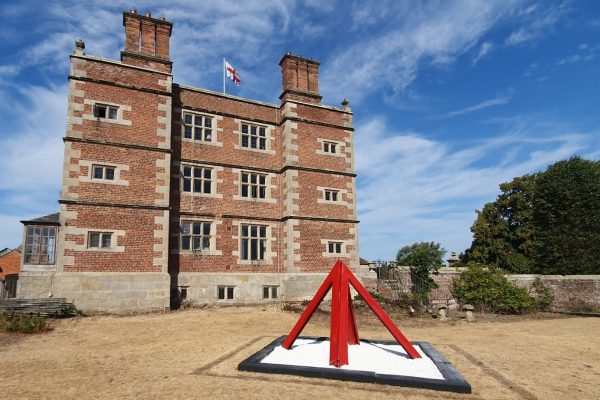
Soulton Hall
Near Wem, Shrewsbury, Shropshire. SY4 5RS
Become a Historic Houses member
Explore the nation’s heritage for just £71 per year.
Hundreds of the most beautiful historic houses, castles, and gardens across Britain offer our members free entry.
Also: receive a quarterly magazine, enjoy monthly online lectures, get exclusive invitations to buy tickets for behind-the-scenes tours, and take up a range of special offers on holidays, books, and other products you might like.