New report: Too many heritage buildings reach crisis before help arrives
A new report from Historic Houses is calling for more to be done to protect independently owned heritage from irreversible loss.
Historic England’s Heritage at Risk Register (HARR) is the UK’s only publicly available national register which is updated and published each year. It’s a valuable tool in understanding the picture of vulnerable heritage places across England.
Our brand–new report, Endangered Spaces: Protecting ‘at risk’ heritage, looks at how the register can be used, argues that devolved nations should be following HE’s footsteps by putting more resources into their own registers and discusses what more can be done to protect independently owned heritage from irreversible loss.

The Temple of Vaccina at Dr Jenner’s House in the Berkeley Castle grounds
The report celebrates our members’ excellent work in protecting the UK’s heritage, while highlighting myriad of difficulties that the stewards of historic buildings face.
‘At risk’ heritage is not solely limited to abandoned places. Several brilliant Historic Houses member places are currently on HARR, and many have been on it in the past.
 Elizabeth Gaskell’s House, Manchester
The report recommends a handful of policy changes which the government could implement to enable more historic buildings to lose their ‘at risk’ status and be enjoyed by future generations as places to visit and as part of the fabric of the UK’s rich built environment in both urban and rural areas.
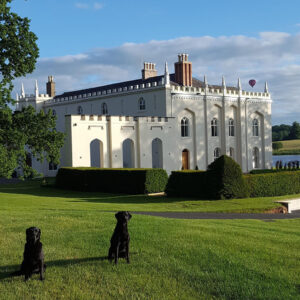
Combermere Abbey, Cheshire/Shropshire
Read the full report here
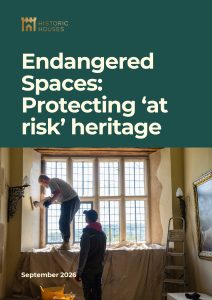
Endangered Spaces:
Protecting ‘at risk’ heritage