Marking 75 Years of Cultural Heritage Policy
Historic Houses and the Institute of Art and Law celebrate important anniversaries for the Gowers and Waverley reports
What are the Gowers and Waverley reports?
2025 marks 75 years since two landmark interventions shaped the future of cultural heritage in the UK. In 1950, the Report on Houses of Outstanding Historic or Architectural Interest (Gowers Report) was published, recommending that preservation of these houses should ideally be by private owners, as facilitated by fiscal and tax arrangements and in return for public access.
In the same year, the Waverley Committee was formed, charged with examining whether — and how — the nation should stem the loss of objects of artistic, historical or cultural significance overseas. The Report and Recommendations of the Waverley Committee on the Export of Works of Art (Waverley Report) was published soon after. The now-famous Waverley Criteria was a pivotal contribution, still used today to “measure whether an object should be considered a national treasure on the basis that the object’s departure from the UK would be a misfortune”. The three Waverley Criteria focus on the object’s importance in connection with history and national life, aesthetic quality and scholarship.
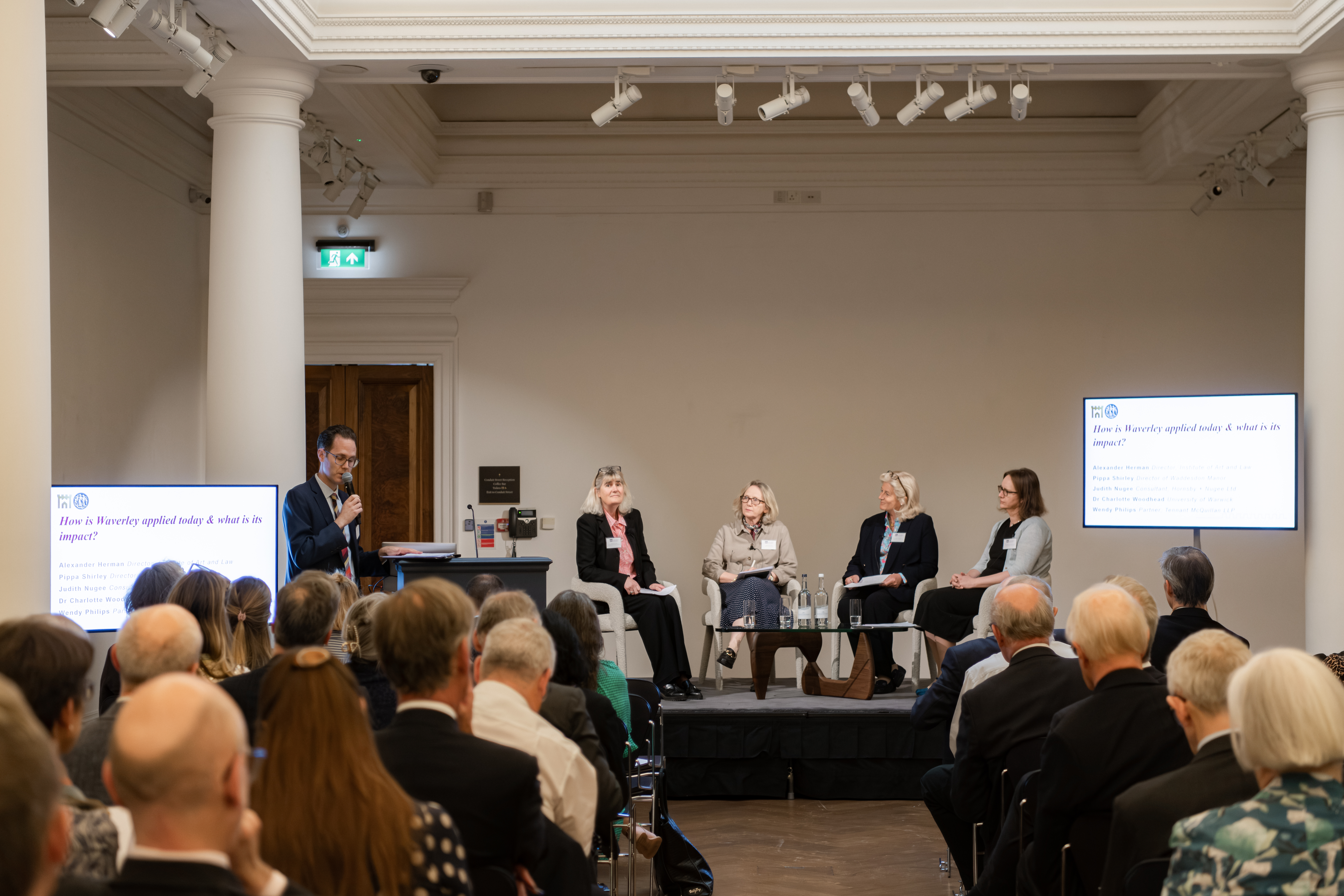
The panel discusses how the Waverley Criteria is applied today
The impact of the Gowers and Waverley reports
The policy framework first put in place 75 years ago is one within which heritage custodians, museums and the art market continue to operate. Inspired by this double anniversary, Historic Houses and the Institute of Art & Law ran a conference on 22 May 2025, The World Reborn: how heritage was saved after the Second World War and the lessons for today, to consider the impact of both the Gowers and Waverley reports, and their continued relevance today.
The regulatory framework and government environment has changed significantly since 1950 — with the introduction of listed building controls, statutory bodies like English Heritage and Historic England, the creation of a Minister of Arts (1964) and a unified culture department (1992), a stricter governance of museums including accreditation by the Arts Council, government guidance which affects planning and museum acquisitions and the UK’s adoption of several international conventions concerning protecting art and cultural heritage. The changes are, by and large, the legacy of both the Gowers and Waverley reports.
Whilst the principles emerging during the 1950s have remained largely intact, there is more that can be done to ensure their efficient application in today’s environment— for private owners, for museums and for the wider heritage sector.
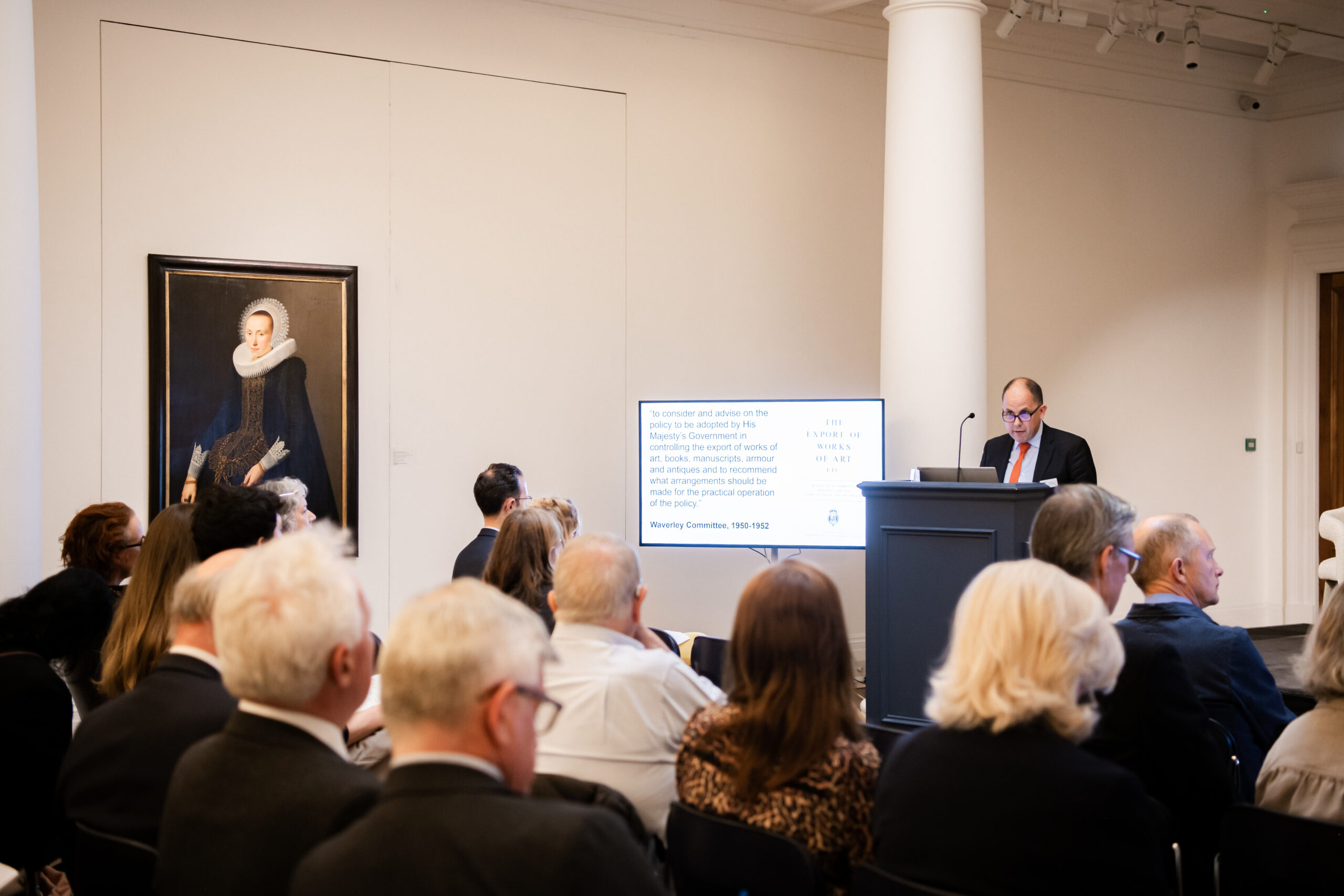
Historic Houses Director General Ben Cowell introduces the reports and explains their significance
The conference sparked discussion and debate amongst attendees, and we are thrilled to be able to share papers from some of the day’s speakers now, with the hope of continuing the conversation about the efficacy of our policy framework for cultural heritage. To read more about the full day of presentations and discussions, please see the Institute of Art and Law’s blog post.
We are also delighted to be able to provide copies of both the Gowers and Waverley reports online, so that anyone with an interest in their contents might be able to read them easily and in their entirety.
These papers are being provided for educational purposes and the authors retain their respective copyrights in the works. The two government reports fall under Crown Copyright, which following 50 years from publication, has expired.