New report on ‘Protecting Built Heritage’ from CMS Committee
Historic Houses welcomes the new report today, ‘Protecting Built Heritage,’ from the Culture, Media and Sport Select Committee, which calls for a ‘reuse first’ approach to safeguarding historic buildings.
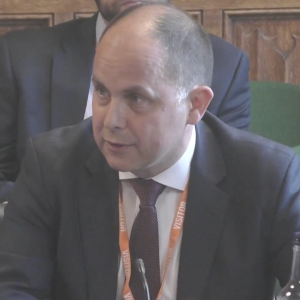
Ben Cowell, Director General of Historic Houses giving evidence to the Culture, Media and Sport Committee’s inquiry into Protecting Built Heritage
Our Director General, Ben Cowell, gave evidence and Historic Houses submitted written evidence as part of the Committee’s 18-month inquiry, which found that countless historic buildings up and down the country are under significant and increasing strain from cost pressures, workforce shortages and a planning system that is complex and inconsistent.
Quoted in the report, Ben explained that “the best protection for a building in the long term is for it to be occupied, used, utilised, lived in and loved” – a line the Committee Chair echoed in her comments on publication.
Chair of the CMS Committee, Caroline Dinenage MP, called for funding that incentivises repairs over new construction, and for action on the sector’s skills shortage.
She added that it “shouldn’t be right that private owners face significant obligations to protect historic buildings, while government departments are able to allow heritage assets to rot at public expense”.
Our members take the preservation of historic buildings very seriously, and we wholeheartedly agree with many of the recommendations set out, including the need for more financial support for built heritage, reforms for the planning system, further investment in heritage craft skills and targeted VAT reliefs.
Key recommendations from the report:
- A “reuse-first” approach, prioritising the conversion of vacant and under-used historic buildings before pursuing new build.
- Targeted VAT relief for the maintenance and conversion of listed buildings, including a possible rebate scheme for listed properties open to the public for a minimum number of days each year.
- Reform of VAT rules on repurposing existing buildings, to end the structural bias towards demolition over conservation.
- Protected training pathways for endangered heritage crafts, a new “heritage skills hub”, and multi-employer apprenticeship schemes so small heritage businesses can pool apprentices and share costs.
- Faster, more consistent planning, with local planning authorities encouraged to adopt Listed Building Consent Orders for low-risk works, and dedicated funding to increase the number of conservation officers.
Our research found that extending the existing rebate scheme to listed buildings open to the public for at least 28 days a year would cost around £6 million, and unlock £7 million of economic benefit, on top of saving fragile heritage and widening public access.
Read our VAT report hereThere is precedent for using VAT to support the sector. The government’s Great British Summer Savings scheme cut VAT on day entry tickets from 20% to 5% over the summer, in recognition of the pressures facing visitor attractions. We surveyed our members on its impact and will publish what they told us shortly.
The Committee’s report makes the case for going further, and applying the same thinking to the repair, maintenance and reuse of historic buildings themselves.
Read more about the VAT summer savings schemeFind the full report from the CMS Committee here.
This report is a welcome recognition of what our members already know: that keeping historic buildings in use is the surest way to protect them. Government is now expected to respond, and we will keep making the case for the reforms our members need, and for a system that supports those who care for these places rather than penalising them.