New report finds that nine in ten heritage workers would recommend their career
More than 250 people working across Historic Houses member properties shared what draws them in, what keeps them there, and what the sector must change. Our new report, In Good Hands: Understanding careers in the heritage sector, tells the full story.
Over half of those working in heritage today did not plan to end up here but once they arrived, most of them stay. That loyalty is the central finding of In Good Hands: Understanding careers in the heritage sector, Historic Houses’ new report drawing on survey responses from over 250 staff and employers at member properties across the UK. It shows a workforce defined by purpose, community and, despite some challenges, enduring satisfaction.
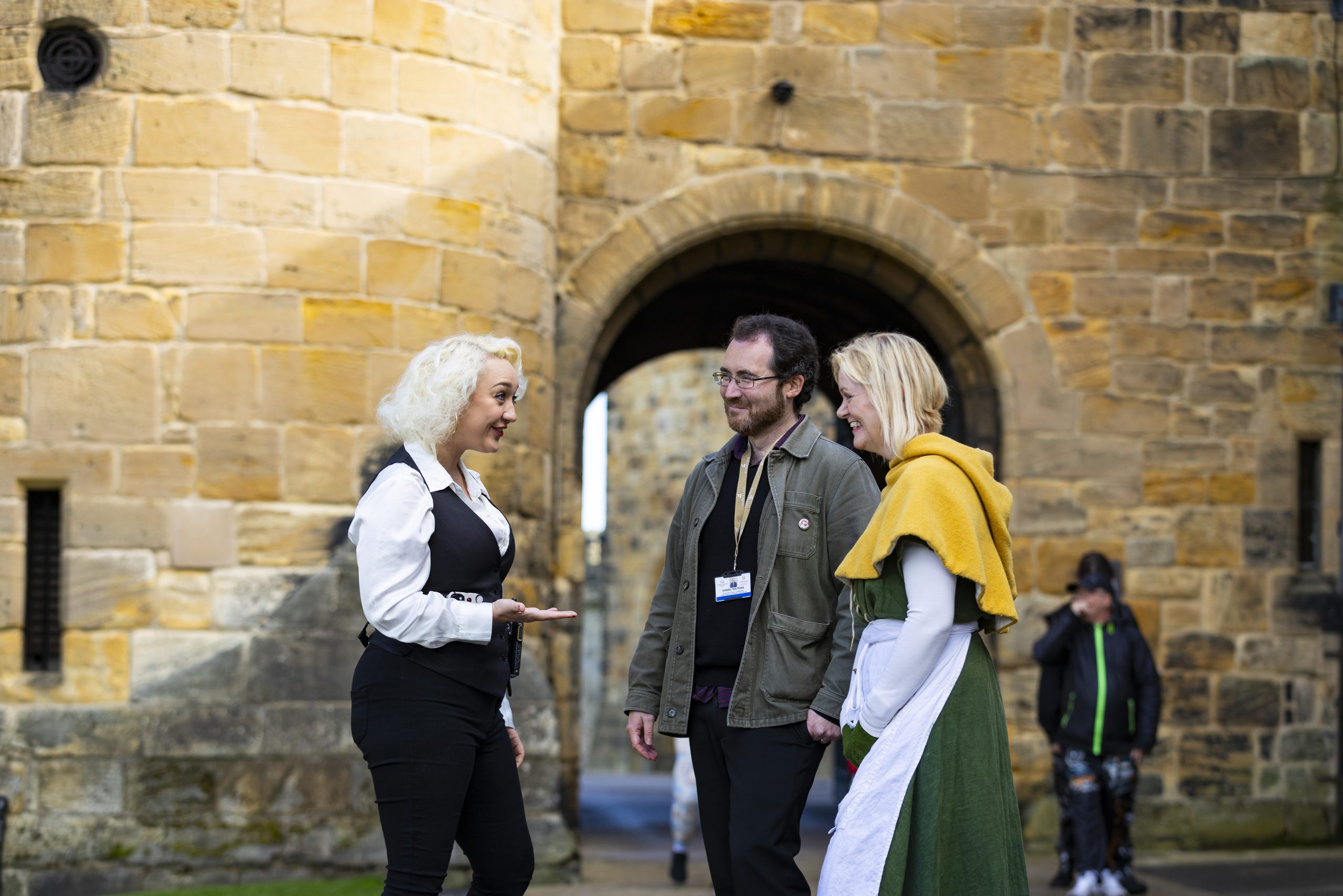
Alnwick Castle @ Chris Lacey
The figures paint a picture of a sector that generates deep attachment. Nearly nine in ten respondents described themselves as satisfied in their work. Almost as many said they were likely to remain in heritage for the foreseeable future. When asked what they valued most, respondents pointed repeatedly to the work itself – the privilege of caring for places that carry weight beyond the everyday – and to the colleagues who share that responsibility. Almost two thirds said their team was one of the main things they enjoyed about their job.
“A career in the heritage sector is a career to be proud of, and the loyalty and passion of those working in it is extraordinary. Our member places are irreplaceable, and so are the people who look after them.” – Ben Cowell, Director General, Historic Houses
Historic Houses members collectively supported over 12,000 full-time equivalent jobs in 2025, generating more than £1 billion in economic benefit for the UK economy. Many of those roles are anchored in rural communities where the local historic house is often one of the most significant employers for miles around.

Powderham Castle @ Chris Lacey
The challenges the sector cannot ignore
Other issues emerged from the survey results. As in the wider cultural sector, some told us that pay was an issue. For a third of respondents, the shortage of opportunities for progression in post was the thing they liked least about their heritage career. It meant that finding routes through the sector involved lateral or diagonal moves as often as upward moves.
Finding a way can be hard for some – only 5% of current workers entered through a formal scheme such as an internship or apprenticeship. Two thirds of recruiters said they found it difficult to hire staff, particularly skilled craftspeople. A degree does not necessarily help. One master’s-educated respondent wished they had known how little their academic success would matter in day-to-day heritage work.

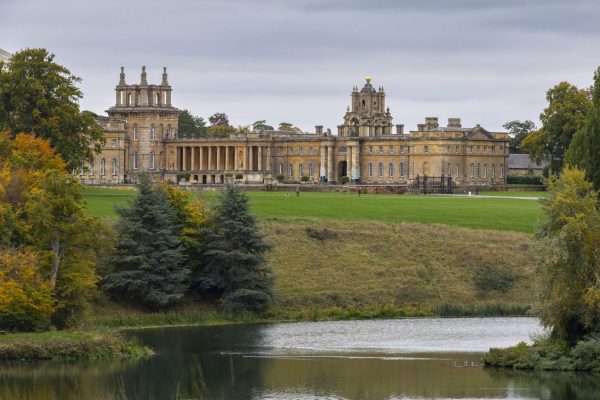
Aimee Akinola found her way into the heritage sector through a netball match. Blenheim Palace @ Chris Lacey
The report argues that targeted investment in training, clearer pathways into the sector and more visibility as a career option amongst all ages would have a lasting impact. Heritage may be one of the most rewarding sectors to work in but it remains one of the least well understood as a career destination.
Work In A Castle
Work In A Castle aims to change this. The platform, launched by Historic Houses, is a free online platform open to all. It’s designed to give anyone the tools to connect with the people and places that make up the heritage sector and find their own way in.
The full report, In Good Hands: Understanding careers in the heritage sector, is available to read now.
Download the report here
In Good Hands (2026)
Understanding careers in the heritage sector