Exemptions needed for heritage in new mansion tax system
Today’s Budget does little to assuage fears over the future of the nation’s heritage, says Historic Houses, which represents over 1,400 of the finest buildings and gardens across the UK.
Many of our member places are already struggling because of last year’s Budget, and today’s announcement only adds to their concerns.
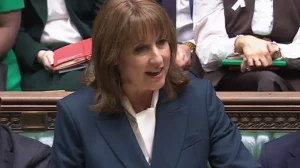
Chancellor of the Exchequer, Rachel Reeves addresses UK Parliament during 2025 Autumn Budget. Photo courtesy of UK Parliament.
The introduction of a ‘High Value Council Tax Surcharge’ – in effect, a mansion tax – is the most notable concern for heritage in the Chancellor’s announcement today. Countless surveys have shown that properties that are designated, known as ‘listed’, because of their heritage value tend to command higher market values. Most listed buildings are owned privately, and the cost of their maintenance is borne directly by their owners. Adding this Council Tax Surcharge to the most valuable properties, without taking into account listing or heritage designation, will simply reduce the ability of their owners to pay for the costs of maintenance.
Independent heritage continues to deliver significant economic benefits, generating over £1 billion in GVA, directly supporting 12,000 FTE jobs and welcoming over 19 million visits last year alone.
We will be engaging with civil servants at the Treasury and HMRC to argue for the introduction of targeted exemptions for listed properties open to the public for at least 28 days a year, as is the case with the Annual Tax on Enveloped Dwellings.
Extending powers to levy taxes on tourism adds to the costs borne by already hard-pressed rural tourism and hospitality businesses. While there is a diversity of views on the wisdom of these taxes, the danger is that the money raised will not be invested in critical local tourism infrastructure but will instead be used to plug shortfalls in other areas. It will have an inflationary effect and, in some cases, could simply act as a deterrent to domestic tourism.
One small, but notable, concession was the announcement that the £1 million allowance for Agricultural and Business Property Relief announced in last autumn’s Budget will now be transferable between spouses / civil partners, which is welcome news. And it was good news that permanently lower business rates multipliers for retail, hospitality and leisure businesses will now come into effect from April 2026 (for qualifying properties with a rateable value below £500,000).
More broadly, though, we see little in this Budget that recognises or champions the economic value of heritage and tourism. Instead, this smorgasbord of tax rises will simply continue to pile the pressure on anyone trying to run a heritage or tourism business.
Heritage means business—and it’s disappointing that the government still fails to see it.